

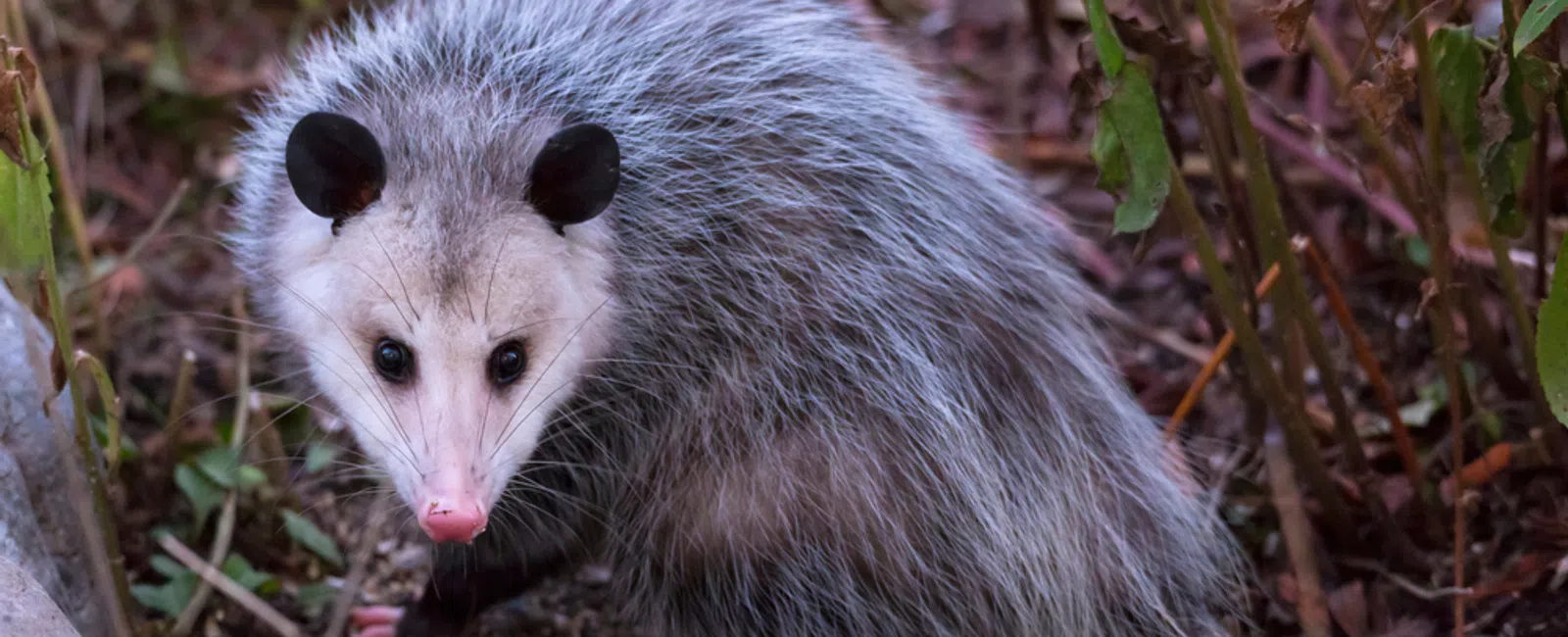
If you've spotted an odd, gray, long-tailed animal wandering in your yard after dark, you might be wondering if you've spotted a possum or a really large rat, but neither is really true.
While most people in the U.S. call this furry pest a "possum," the animal you're seeing is actually a Virginia opossum. This specific type of opossum is the only marsupial native to North America. (True possums actually live in Australia and its surrounding islands.)
In Minnesota, we use both names interchangeably. So no matter what you call these animals, our team at Valor Pest Solutions will know exactly what you're talking about.
Regardless of what this critter is and isn't called, if you're seeing the same animal in your yard night after night, it can become a little disconcerting. You might wonder: Are opossums dangerous? What's causing it to stalk your yard? How do you get rid of it before it claims your backyard as its own?
At Valor Pest Solutions, we help Minnesota homeowners identify wildlife problems before they become bigger issues. In this guide, we'll explain why opossums visit residential properties and what you can do to make your home less inviting.
Are Opossums Common in Minnesota?
Yes. These pests can be found throughout most of Minnesota. And while they aren't as common as squirrels and raccoons, they're becoming more and more common in suburban neighborhoods where food and shelter are plentiful.
And because they're nocturnal, many homeowners don't realize opossums have been visiting until they catch one on a security camera or notice signs of wildlife around their property.
Why Are Opossums Visiting My Property?
Like any wild animal, opossums are looking for three things: food, water, and shelter. And unfortunately, residential neighborhoods provide all three.
Some of the biggest specific attractions include:
- Pet food left outside overnight
- Fallen fruit beneath trees
- Accessible garbage cans
- Spilled bird seed from feeders
- Compost piles
- Brush piles
- Crawl spaces and decks
- Open sheds or garages
Where Do Opossums Hide?
Unlike squirrels, opossums rarely build their own nests. Instead, they look for existing sheltered spaces where they can hide during the day. The most common opossum hiding spots we've seen include:
- Under decks and porches
- Crawl spaces
- Wood piles
- Dense shrubs
- Empty sheds
- Detached garages
- Hollow logs
- Brush piles
Are Opossums Dangerous?
Opossums typically aren't aggressive toward people. When threatened, they're more likely to:
- Freeze
- Bare their teeth
- Hiss
- Or "play dead" (the behavior they're most famous for)
That said, they're still wild animals. If cornered, they can bite or scratch while defending themselves. And like any wildlife, they should never be handled directly. These critters can carry parasites like ticks and fleas, so it's always best to call in professional opossum removal.
Are Opossums Good to Have Around?
You may have heard that opossums are "good" because they eat ticks, and there's some truth to that, but it doesn't mean you should encourage them to make your yard their home.
Opossums are opportunistic feeders. Their diet includes:
- Insects
- Slugs
- Snails
- Rodents
- Carrion
- Bird eggs
- Pet food
- Trash
- Fruit
While they can help reduce certain pests, they can also damage gardens, create unpleasant odors, and encourage other wildlife activity around your property, which is less than ideal.
How to Keep Opossums Away
A few simple changes can make your property much less inviting to these wild pests. And not surprisingly, these habits will help deter other pests and wildlife:
- Secure Your Trash: Use garbage cans with tight-fitting lids and avoid leaving bags outside overnight.
- Remove Outdoor Food Sources: Bring pet food inside after meals and regularly clean beneath bird feeders.
- Seal Potential Shelter Areas: Install lattice or wildlife barriers beneath decks and porches, and repair damaged crawl space vents.
- Trim Landscaping: Overgrown shrubs and brush piles create excellent hiding places.
- Eliminate Easy Access: Repair broken fencing where possible and close openings beneath structures.
When Should You Call for Professional Wildlife Removal?
Occasional nighttime visitors aren't always cause for concern. However, professional wildlife removal is recommended if:
- An opossum has moved under your deck or porch
- You hear activity beneath your home
- You notice repeated visits
- An opossum appears sick or injured
- The animal is trapped inside a garage or building
- You're unsure whether you're dealing with an opossum, raccoon, or another wild animal
At Valor, we believe that wildlife removal should always prioritize both your family's safety and the humane treatment of the animal.
Why Minnesota Homeowners Choose Valor Pest Solutions
Keeping wildlife out isn't just about removing the animal stalking your yard today; it's about preventing the next one from finding the same opportunity tomorrow. Our team at Valor helps homeowners identify the conditions that attract wildlife and recommend practical prevention strategies.
If you think you've spotted an opossum under your deck, Valor Pest Solutions is here to help! Contact us today to schedule an inspection or to ask any wildlife or pest removal questions.
Frequently Asked Questions
Do opossums stay in one place?
Usually not. Opossums are wanderers and often move between several resting spots within their territory unless they've found a reliable food source and safe shelter.
What time are opossums most active?
They're primarily active from dusk until dawn, which is why homeowners often only notice them through security cameras or motion lights.
Can opossums climb fences?
Yes. Opossums are capable climbers and can scale wooden fences, trees, and even rough exterior walls in search of food or shelter.
Will an opossum attack my dog?
Most opossums try to avoid confrontation. If a pet corners one, however, it may hiss, show its teeth, or bite in self-defense. Keeping pets indoors at night can help avoid encounters.
